Mar . 29, 2024 15:33 Back to list
Can Dogs Eat Kidney Beans? Benefits of Kidney Beans for Dogs-green moong in english
Can Dogs Eat Kidney Beans? Benefits of Kidney Beans for Dogs
Cooked kidney beans can provide your furry friend with protein and essential vitamins and minerals; however, raw kidney beans can be extremely dangerous to dogs. Read on to learn the connection between kidney beans and your dog’s health.
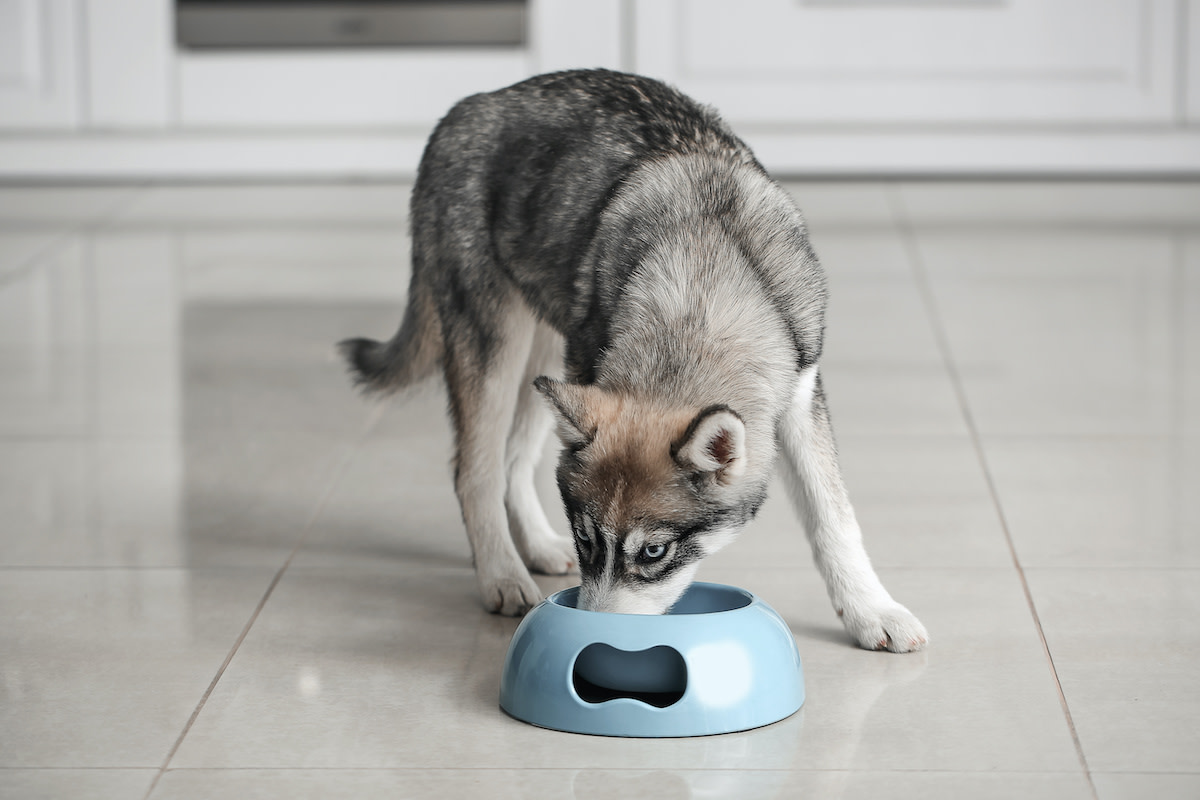
Can Dogs Eat Kidney Beans?
Your dog can eat small portions of cooked kidney beans; however, raw kidney beans and dried kidney beans contain phytohemagglutinin, a type of lectin or protein that is toxic. If you choose to supplement your canine companion’s regular dog food with cooked kidney beans, serve them as you might lentils, chickpeas, soybeans, green beans, and other pet-friendly legumes.
As with other fruits and vegetables, it’s important to limit the portion sizes of these dog treats to not exceed more than ten percent of your dog’s daily caloric intake.
Meet One of Your New Instructors
3 Types of Nutrients in Kidney Beans That Benefit Dogs
Kidney beans contain vitamins and minerals your dog’s body needs to function properly. However, keep in mind that dogs can only eat cooked kidney beans, as raw kidney beans are toxic. Here are some of the different nutrients kidney beans can contribute to a dog’s diet:
- 1. Antioxidants: Kidney beans contain several antioxidants that might help your pet’s body combat free radicals and boost their immune system. For example, a B vitamin called folate has antioxidant properties that possibly assist with blood sugar regulation and the production of blood cells. There’s evidence this might improve your pet’s circulation and heart health by decreasing arterial plaque.
- 2. Protein: Beans can be a good source of protein, and that includes kidney beans. Like black beans, garbanzo beans, navy beans, lima beans (or butter beans), and pinto beans, kidney beans can supplement protein in your dog’s diet. This increases a canine’s energy levels, which can improve overall pet health.
- 3. Vitamins and minerals: Similar to other beans and legumes, kidney beans are chock-full of essential vitamins, including vitamin A, vitamin C, and vitamin K. These vitamins work with other minerals you can find in kidney beans—including magnesium, manganese, potassium—to keep your pet’s immune system, bones, and cholesterol levels functional and healthy.
-
Xiaomi 2.5kg

3 Health Risks of Feeding Kidney Beans to Dogs
Raw kidney beans are toxic to dogs, but even cooked kidney beans, which are safe for dogs to eat, can do damage if your dog eats them too frequently or in large amounts. Consider these potential health risks to your dog in connection with kidney bean consumption:
- 1. Constipation: The high fiber content in kidney beans can improve your dog’s digestive system, but excess fiber can lead to your dog becoming gassy or constipated. Typical symptoms of constipation include bloating, lack of appetite, and general discomfort. Constipation will often subside on its own, although you should bring your pet to the veterinarian if they cannot resume normal bowel movements within a few days.
- 2. Gastrointestinal upset: Canned kidney beans and some common kidney bean preparations contain high levels of sodium and other seasonings. Spices and preservatives can upset your pup’s stomach and lead to several symptoms, including a lack of appetite, diarrhea, and vomiting. Feed your dog only plain cooked kidney beans to limit any stomach issues.
- 3. Poisoning: Dried beans can be dangerous for pets. In their dried form, a variety of beans—including raw red kidney beans and raw fava beans—contain phytohemagglutinin, a lectin (protein) that can produce high levels of toxicity in your dog. This protein could cause your pet’s blood cells to group together, leading to elevated risks of heart disease. Always feed your dog cooked kidney beans—never raw kidney beans—to avoid this outcome.
How to Introduce Kidney Beans and Other Human Foods to Your Dog
Kidney beans can offer your dog health benefits so long as you cook the kidney beans (versus raw kidney beans, which are toxic). Follow these steps to safely introduce kidney beans or other human foods into your dog’s healthy diet:
- Introduce small servings to your pet. As with other human foods, serve your pooch small portions of cooked kidney beans to test their tolerance for the food. If they do not present any signs of allergies or stomach upset, you can increase serving sizes to agree with their body size and dietary needs. Consult your veterinarian to determine an appropriate portion, but in general, scale down portion sizes for small dogs and dog breeds with sensitive digestive systems. While cooked beans have nutritional value, you should refrain from feeding your pet more than their daily caloric requirements.
- Serve foods without seasonings or preservatives. Avoid serving your pup canned beans, baked beans, chili beans, or refried beans. These types of beans include seasonings and preservatives that can cause your dog severe gastrointestinal problems.
- Monitor your dog for signs of an allergic reaction. Although veterinarians consider kidney beans safe for dogs, individual dogs could react differently to the same new food. After feeding your pet a small test portion, monitor them closely and note any signs of allergic reaction or indigestion. Common symptoms of allergic reactions include swelling, itchiness, and gastrointestinal upset.
Before Sharing With Your Pooch
Certain human foods can cause adverse reactions in canines, so always consult your veterinarian to determine whether it is safe to add these foods to your pet’s diet. This article is for educational and informational purposes and is not a substitute for medical or dietary advice.
 Hindi
Hindi  English
  Dutch
Dutch  French
  German
  Italian
  Japanese
  Russian
  Spanish
  Thai
Thai